


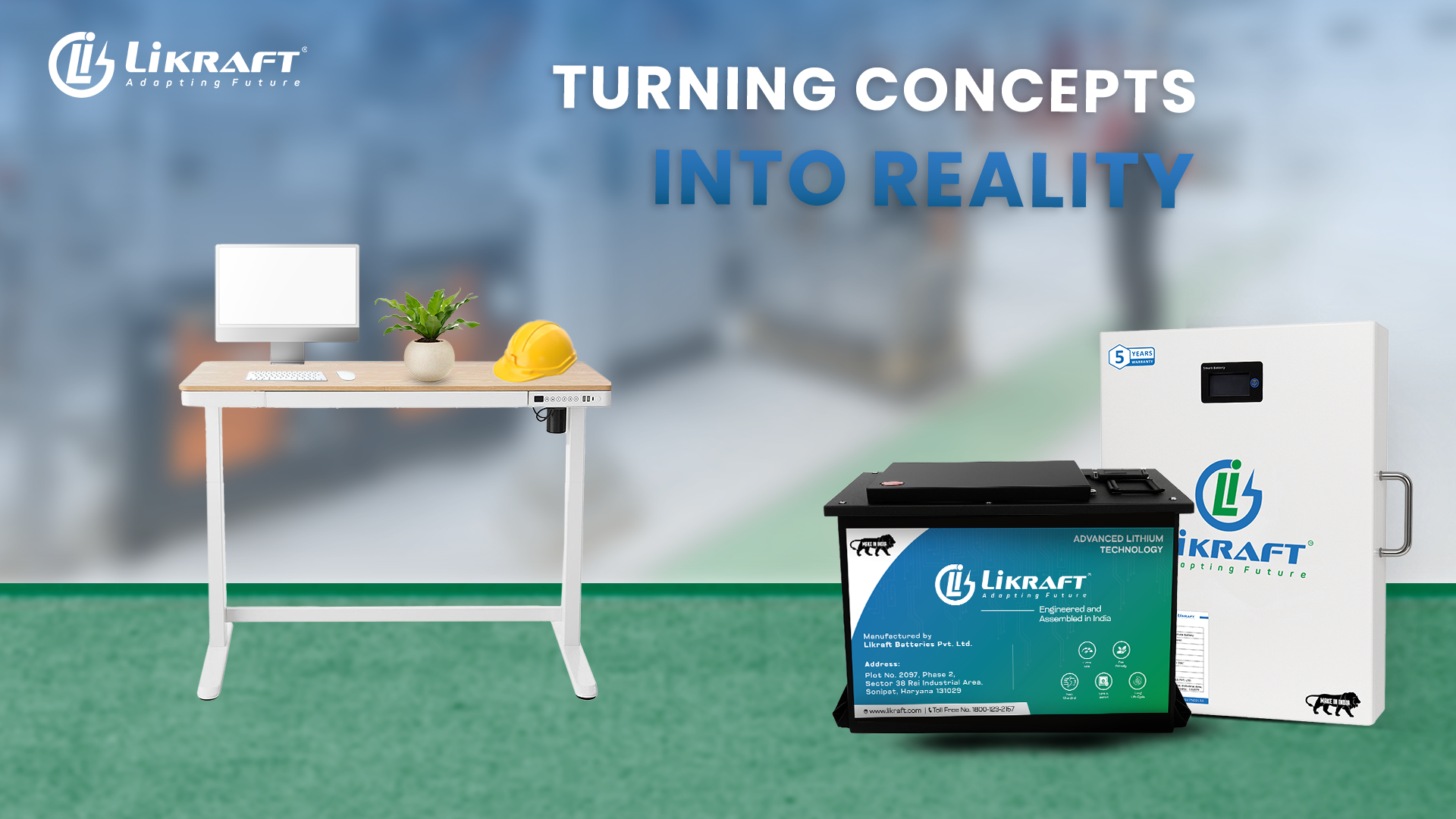
When you speak of the EV revolution, everyone’s hailing sexy cars, green energy, and cheaper fuel bills. But what’s behind it all is a secret—none of this would be possible without the unheralded hero in the shadows: engineers. Each battery pack, charging system, and protective mechanism is the result of decades of engineering genius, research, and relentless troubleshooting.
Why Engineers Are the Backbone of EVs
EVs are not automobiles; they are complex energy systems on wheels. Engineers combine the expertise of electronics, chemistry, materials, and mechanics to design cars that are safe, reliable, and efficient. From manufacturing lithium battery cells to building ultra-lightweight automobile bodies, engineers are the individuals turning big ideas into roadworthy, real-world vehicles.
Think about it—when you plug an EV into a charger and charge it, the process is seamless. But behind all of that is a team of electrical engineers, software engineers, and battery experts who have created safety charging systems, made power transfer effective, and created overcharge protection systems.
The Role of Battery Engineers
Batteries are the pulse of the EV, and they’re no easy task to design. The engineers push for more energy density (so the battery can hold more power in less space), faster charging, and longer life. They’re also interested in safety—keeping batteries from overheating, short-circuiting, and over-degrading.
In enterprises such as Likraft, engineers take it a notch higher by developing lithium solutions that go into everything from two-wheelers and three-wheelers to telecommunication towers and solar storage systems. Their contribution not only ensures performance meets expectations but also sets new benchmarks.
Innovation Beyond Vehicles
The electric vehicle revolution is not only concerned with cars. It is being led by engineers in the fields of charging infrastructure, energy storage, and grid integration. For example, the deployment of fast-charging networks entails electrical and civil engineers who have power systems and big project design expertise. Software engineers, however, design intelligent charging algorithms that manage loads and prevent overloading of the grid.
This innovation ecosystem shows that engineering is not necessarily about fixing an issue—it builds entire systems enabling sustainable mobility.
Engineers as Problem-Solvers
Engineers are needed because engineers can address real problems. In tier-2 cities, for example, there is a growing demand for EVs, but charging stations are sparse. Engineers are already working on low-cost battery swap technologies in small form factors and solar-powered charging stations to fill this gap.
Each of the three issues—range anxiety, charging time, or cost—compels engineers to devise even more clever solutions. Problem-solving motivation powers the EV revolution.
Shaping a Cleaner Future
Engineers do not just make machines; they make opportunities. Each innovation brings us closer to a cleaner world, with less fossil fuel and a greener future as far as mobility is concerned. Their work makes adoption of EVs not just possible but also viable for millions.
We see this every day at Likraft Batteries. Our engineers apply technical skills with creativity to create innovative lithium solutions that power vehicles, buildings, and industries. Their dedication ensures that all our products sparkle with quality, safety, and the Make in India ethos.
Conclusion
Behind every EV on the road is a story of thousands of hours of engineering. The revolution is not merely technological—it’s the engineers who make it happen. The real game-changers are engineers, and with the growing EV market, their value will only go up.
The next time you drive past an electric vehicle, remember this: it’s not just innovation on wheels. It’s engineering at its best.
Send us an email at info@likraft.com
Address: Rai Industrial Area, Sonipat, Haryana
lovejiliapp.net website works perfectly! Easy to navigate unlike others I have tried. Access to variety and quick fun. Check out the lovejili website.
Hey gamers, checking in on gamesx66 – not bad. Not amazing, but got some time to chill. Give it a looksee if it might be your thing. Just a casual vibe! gamesx66
Yo, I checked out n8casino. Solid selection of games and seems pretty legit. Give it a whirl and see if you can win big. Link is here: n8casino